Exploring the Playful Typography of Dream Comic
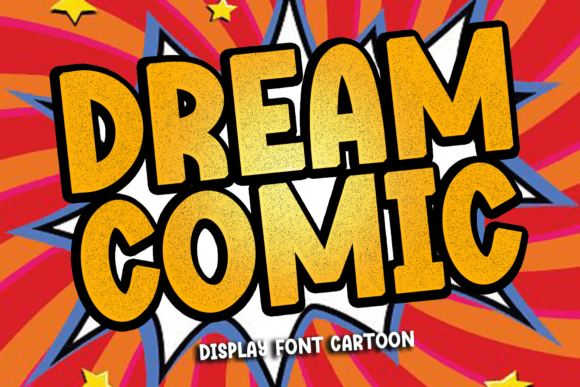
If your design needs a dose of pure, unfiltered joy, the perfect typeface might just look like it leaped off a Sunday morning cartoon. That is exactly the energy brought by Dream Comic, a premium font that captures the whimsical spirit of hand-drawn animation. It is designed to inject life and laughter into your projects, making it a standout choice for creators who want to move away from rigid, corporate aesthetics and embrace a more playful narrative.
At its core, this typeface is a fun and quirky display font, meticulously crafted to handle cheerful topics with ease. Unlike standard sans serif or serif font options that prioritize neutrality, this design leans into personality. It features rounded edges, bouncy baselines, and a hand-drawn quality that feels approachable and friendly. When you utilize this style, you are not just arranging letters; you are setting a mood that instantly makes the viewer smile.
The Whimsical Nature of Playful Typography
Typography plays a silent but powerful role in how we perceive information. While a modern typography style often implies minimalism and sleek lines, a typeface like Dream Comic embraces imperfection to create warmth. This font is an excellent asset for breaking the monotony of standard layouts. It mimics the spontaneous nature of a handwritten font but maintains the consistency required for professional legibility.
The visual appeal lies in its ability to transform mundane text into a visual focal point. For designers working on projects that require a human touch, this font bridges the gap between casual doodles and professional typesetting. It works exceptionally well when paired with bright colors, allowing the text to pop against vibrant backgrounds without getting lost in the noise.
Creative Applications and Project Suitability
One of the strongest aspects of this typeface is its versatility in specific niches. Because it is so distinct, it shines brightest in projects targeting younger audiences or those requiring a lighthearted tone. It is an ideal choice for brand identity projects involving toy stores, children’s clothing lines, or educational apps.
Consider using this font for:
- Packaging Design: Creating eye-catching labels for snacks, cereals, or party supplies.
- Poster Design: Promoting community events, school fairs, or family-friendly festivals.
- Social Media Graphics: Designing engaging Instagram stories or YouTube thumbnails that demand attention.
- Merchandise: Adding flair to t-shirts, tote bags, and stickers.
- Invitations: Setting a fun tone for birthday parties or casual get-togethers.
Unlocking Design Flexibility with Special Features
A key feature that elevates this typeface above many other creative fonts is its PUA encoding. For those unfamiliar with the term, PUA (Private Use Areas) encoding means that every glyph, ligature, and stylistic alternate is accessible without needing specialized design software. This is a massive advantage for web design and general content creation.
Designers can easily mix and match characters to create a custom look. Whether you want to swap out a standard "g" for a loopier version or connect specific letters with a unique ligature, the process is seamless. This flexibility ensures that your typography feels unique every time you use it, preventing the "cookie-cutter" look that can sometimes plague downloadable design assets.
Ensuring Readability and Visual Hierarchy
While the aesthetic is crucial, practical application requires attention to readability. As a display font, Dream Comic is engineered for headlines, subheadings, and short bursts of text. It commands attention at larger sizes, making it perfect for logo design and editorial design headers.
However, for long-form body text, such as paragraphs on a website or in a dense brochure, it is best to pair it with a cleaner sans serif font. This creates a balanced visual hierarchy. The display font draws the user in with its charm, while the body font provides the comfort needed for easy reading. When used correctly, this pairing strategy ensures your designs look polished and professional rather than cluttered.
Selecting the Right Typeface for Your Brand
Choosing a typeface is a strategic decision that influences how your audience perceives your message. If your goal is to convey trustworthiness and serious professionalism, a rigid corporate font might be appropriate. However, if your goal is to build a connection based on joy, nostalgia, and approachability, a font like Dream Comic is a superior choice.
Before finalizing your design assets, consider the emotional response you want to trigger. Does your audience respond better to sharp, authoritative angles, or do they prefer the soft, inviting curves of hand-lettering? For projects involving children’s themed designs, education, or entertainment, the answer is almost always the latter. Selecting a font that aligns with these emotional cues can significantly boost the effectiveness of your marketing materials.
Ultimately, investing in a well-crafted typeface is an investment in the quality of your visual communication. It saves time in the design process and elevates the final product, ensuring that your creative vision is realized exactly as you imagined it.